





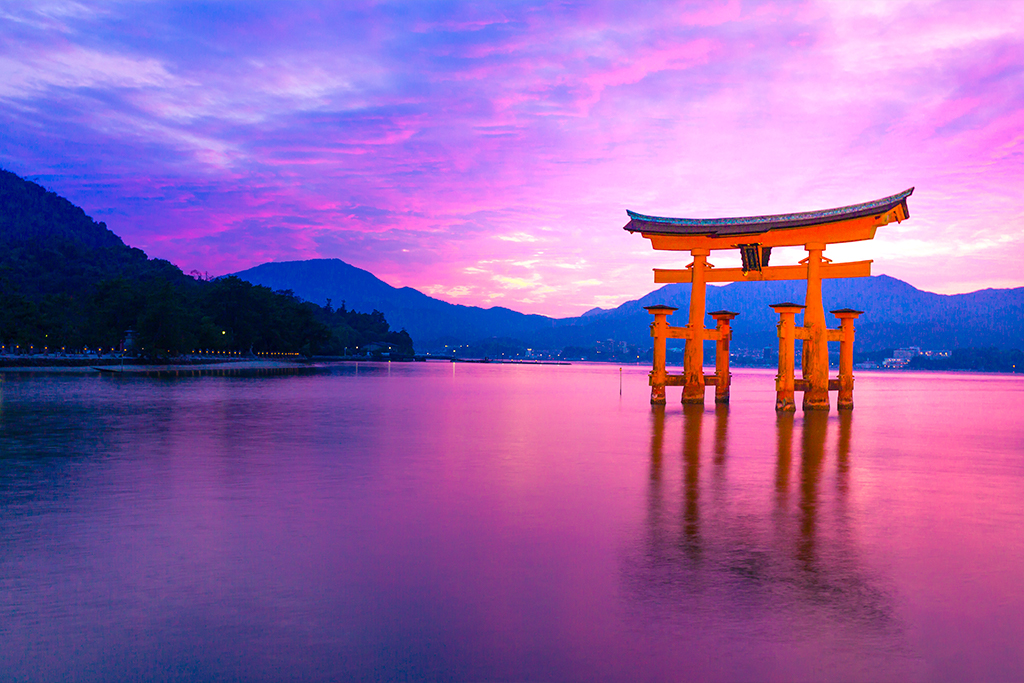

Japan has long been on my travel bucket list, and combining it with a challenging ultra race felt like the perfect adventure. The Lake Biwa 100 promised rugged mountains, technical trails, and a spectacular finish on the shores of Lake Biwa. Racing so far from home brought unique challenges, incredible cultural experiences, and some lessons I won’t forget. Here’s a recap of my journey through one of Japan’s most iconic ultra marathons.
How did the race go for you?

The Lake Biwa 100 was an unforgettable experience. It’s a point-to-point race across rugged, beautiful mountains just east of Kyoto, finishing on the sandy shores of Lake Biwa. I finished 9th, but the day didn’t go entirely to plan. With around 40 km to go, I caught up with the leader and eventual winner. I got a bit excited, pushed too hard, completely blew up, and stumbled my way to the finish line.
What motivated you to take on an ultra in Japan, and how did you expect it to differ from Europe?

Japan has been a bucket-list destination for as long as I can remember. I love visiting places that feel completely different from the UK and really wanted to immerse myself in Japanese trail culture. The Lake Biwa 100 stood out as a beautiful, technical race with strong competition.
In many ways, it was similar to European races, very well organised. But the aid stations were something else: gels, bars, noodles, rice balls, miso soup… an incredible spread. The heat and humidity were noticeably higher than anything I’ve raced in before and definitely contributed to my struggles toward the end.
What stood out when you first arrived?
The friendliness and mindfulness of the organisers. There was a strong sense of community around the event, you could tell everyone genuinely cared. And one thing that hit me straight away: just how mountainous Japan is. So much of the landscape is dramatic, steep, and wild.
How did the Japanese race organisation differ from Europe?
The event focuses solely on one distance: the 100-miler. That means all the attention, energy, and atmosphere revolves around that single challenge. There was also a big emphasis on the post-race celebration, a huge BBQ on the beach during the awards ceremony, which was a brilliant way to finish the weekend.
Any unique rules, customs, or traditions?

The overall organisation was similar to Europe, but a few things were new to me. Some kit list items, like a bear bell and a specific toilet kit, were surprisingly hard to find in the UK, but local runners at the expo kindly lent them to me.
The biggest tradition: it’s customary to jump into the lake at the finish line. Just make sure you take your phone out of your pocket first!
And of course, the onsen (hot spring baths). Completely naked communal bathing isn’t something we’re used to in the UK, but they’re incredible for recovery.
How did the Lake Biwa trails compare to European courses?

The race starts with extremely technical terrain: short, sharp climbs and ridges. The first 50 km included around 4,500 m of ascent and took me 8.5 hours. The middle 50 km was more runnable, and the final marathon returned too long, steep, technical climbs. The trails were unlike anything I’ve run before, lots of tree roots and tiny stones that made footing tricky.
What surprised you most about the local support and volunteers?
Seeing supporters cheering on remote mountain sections early in the race was incredible. It must have taken them ages to get there, but their energy made a huge difference.
Did you have to adapt your fuelling or hydration strategy?
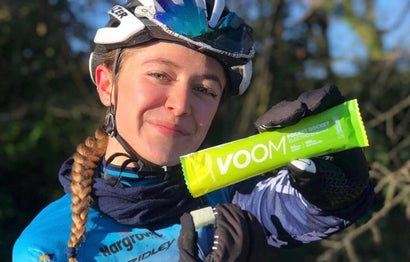
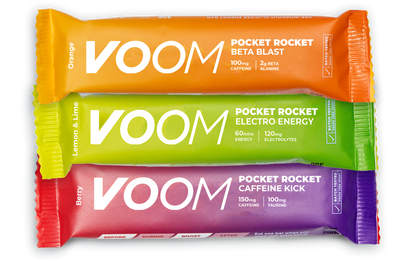
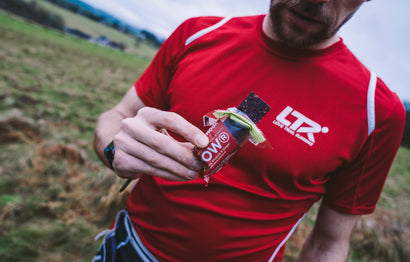
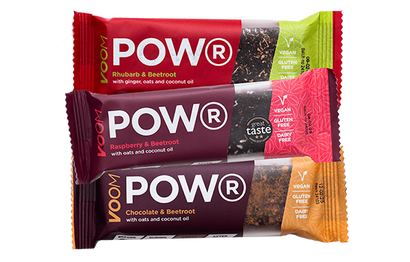
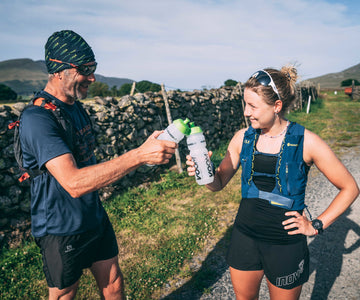
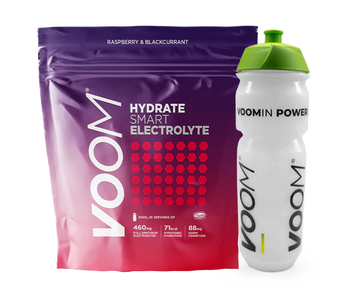
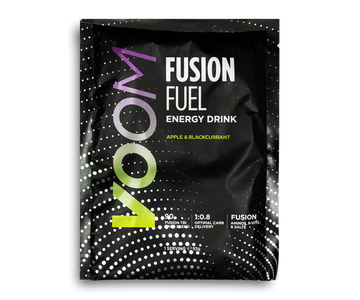
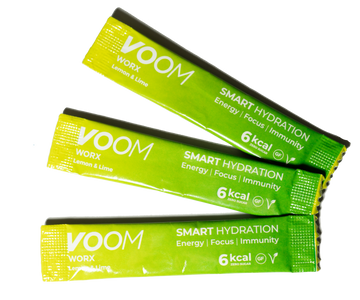
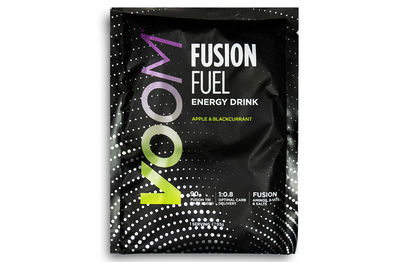
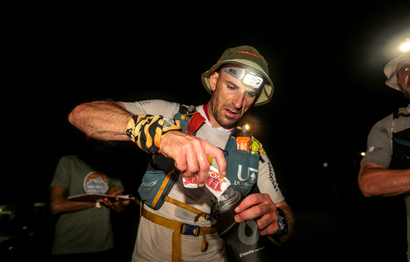
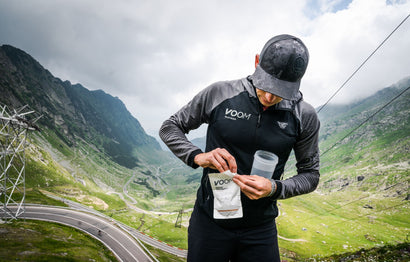
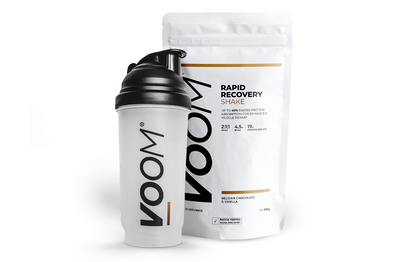
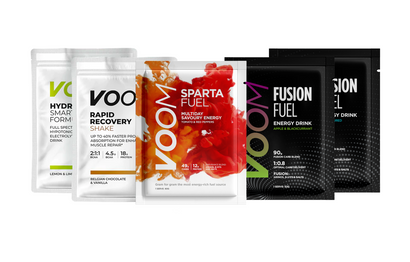
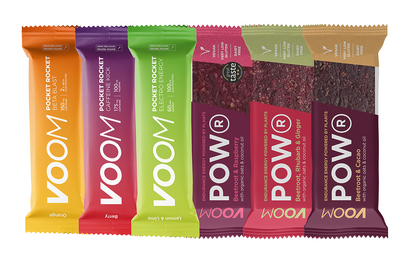
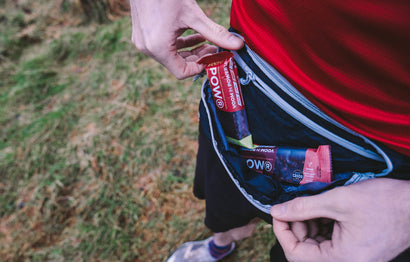
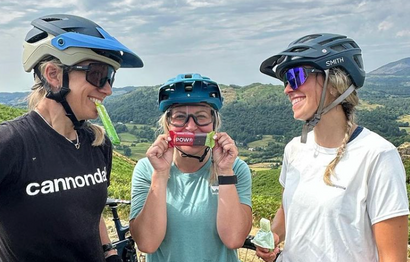
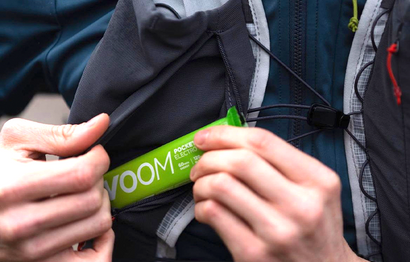
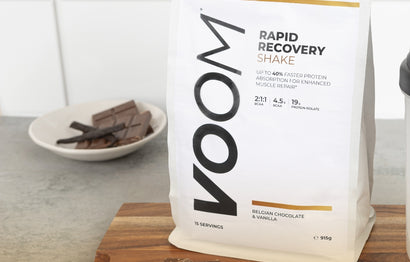
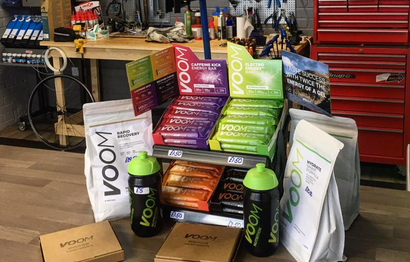
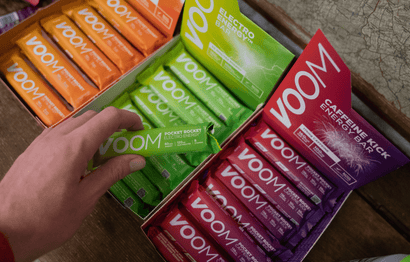
I used a mix of VOOM Pocket Rockets and VOOM Fusion Fuel throughout the race. From aid stations I grabbed rice balls, and from crew stops I even picked up some very British cheese sandwiches. Looking back, I probably got a bit dehydrated, pushing too hard early and not carrying quite enough water in the humid conditions likely contributed to my late-race collapse.
What were the biggest challenges of racing so far from home?

A course recce wasn’t possible, so I relied heavily on YouTube videos and advice from my crew. Next time, hopefully in 2028, I’ll arrive earlier to adjust to the time zone properly. Running through one night is usually fine, but I was so tired I found myself falling asleep while hiking and even tried a couple of dirt naps.
Any moments where the cultural or environmental differences really hit you?
Running alone through the night, seeing bear warning signs, and spotting eyes staring from the trees definitely raised my heart rate. Thankfully, the animals I actually encountered were just deer and wild boar.
What can European runners learn from the Japanese approach to ultra racing?

The DNF rate for such a tough ultra was impressively low. Even among the front runners, Japanese athletes seemed determined to grind it out and finish, regardless of how their race was going. There’s a sense of perseverance and quiet resilience that really stands out.